DeKalb District 2

Housing

Affordable Housing Initiatives

DeKalb County is facing a housing crisis due to rapid population growth, high construction costs, and very low production of new housing. The result is a shortage of affordable housing. 

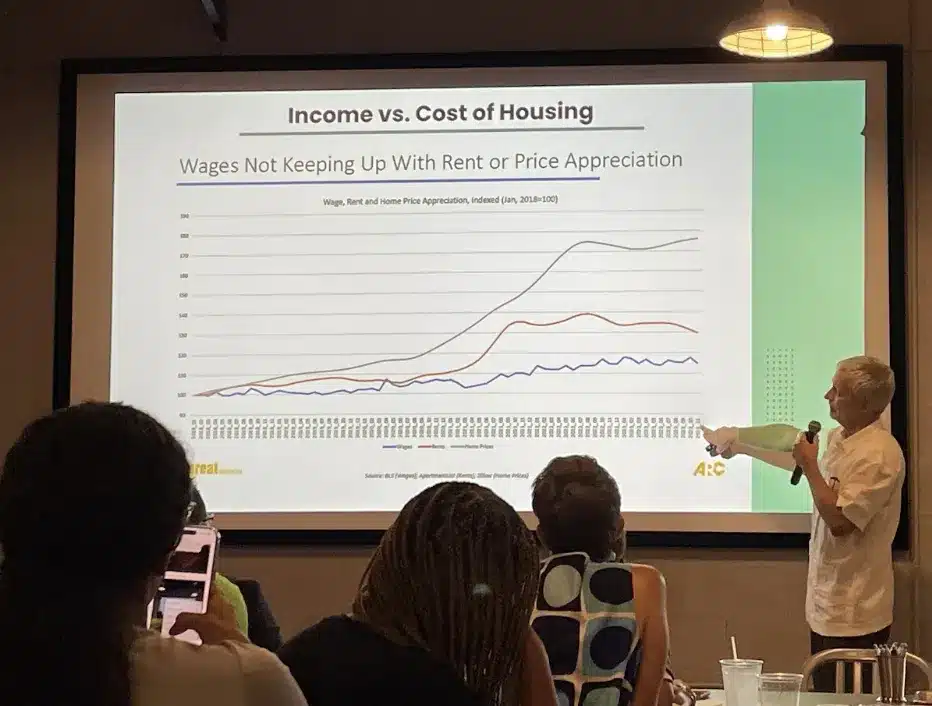
Between 2020 and 2023, the median home sale price rose by 49%. Rents also increased during this period, so that now more than half of renters are cost-burdened, using more than 30% of their income for housing costs.

How We've Addressed This Crisis

The DeKalb County Board of Commissioners, in partnership with the CEO’s office, has addressed this crisis in the following ways:

Commissioner Spears and the District 2 office sponsored all three of the above legislative initiatives.

Under the guidance of the new Chief Housing Officer, DeKalb County will develop and implement a comprehensive, coordinated approach that will include innovative public-private partnerships and new financial tools to support housing affordability.

The success of these initiatives will be measured by an increase in affordable housing stock that will support diverse communities.

Comprehensive Housing Plan

New Housing Resolution

On August 27, 2024, the DeKalb County Board of Commissioners approved a resolution introduced by Commissioner Spears to develop the first ever DeKalb County Housing Plan to be incorporated into the County’s Comprehensive Plan. The legislation was composed of two parts: first, a detailed set of key components to be included in the plan, and second, an allocation of $250,000 from the 2024 County Budget to support development of the plan.

Key Components of The Housing Resolution

“We’re at a critical juncture in DeKalb County’s history. The housing crisis is affecting families across our community, and we need a comprehensive, coordinated approach to address it. This housing plan is our roadmap to ensuring that everyone in DeKalb has access to a safe, affordable place to call home. It’s about building a future where no one is left behind.”
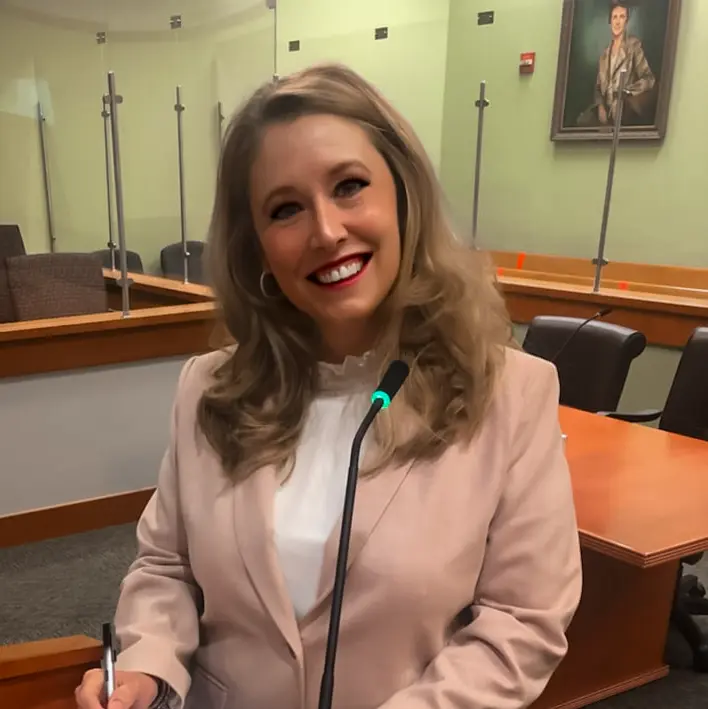
Michelle Long Spears
Distrtict 2 Commissioner

Community Land Trust Study

On October 14, 2025, The DeKalb County Board of Commissioners approved a resolution sponsored by Commissioner Spears to allocate $122,000 from the County Budget to support a feasibility study that will provide the framework for creating a DeKalb County Community Land Trust.

Community land trusts (CLTs) are nonprofit organizations that acquire and steward land for long-term community benefit. By separating ownership of the land from the ownership of homes built on it, CLTs help stabilize neighborhoods, ensure permanent affordability, and prevent displacement. Homeowners lease the land under their homes at a minimal cost, making homeownership more accessible while keeping housing prices stable for generations.

The Board’s action marks a significant first step in aligning county resources to build an inclusive and resilient housing ecosystem.

“Establishing a DeKalb County Community Land Trust is a bold, forward-looking investment in our shared future. This initiative will help ensure that families can continue to live, work, and thrive in our communities — not just today, but for generations to come. I am deeply grateful to the experts, community partners, and stakeholders whose collaboration and vision made this possible, reinforcing our county’s unwavering commitment to equity, sustainability, and affordability.”
Michelle Long Spears
Distrtict 2 Commissioner
Affordable Housing Fund

On November 10, 2025, the DeKalb County Board of Commissioners passed a resolution sponsored by Commissioner Spears to establish an Affordable Housing Fund. This fund will provide financial resources dedicated to the creation, preservation, and rehabilitation of affordable housing.

The resolution authorizes creation of a fund using up to 2% of the county’s annual budget for affordable housing programs.

Eligible uses of the fund will include:

Designed to be phased in over a three-year period, the Affordable Housing Fund will begin with resources from the county general fund and will pursue state and federal grant opportunities, philanthropic funding, and other sources to capitalize and grow the fund.

“This resolution, along with the recent approval of a feasibility study for a Community Land Trust, and DeKalb’s first-ever Housing Plan now underway, brings us closer to having all the tools we need to provide housing that all residents of DeKalb County can afford. Supporting greater diversity will ultimately drive robust economic development for the county and provide real housing options for the many people who call DeKalb home.”
Michelle Long Spears
Distrtict 2 Commissioner

Housing in District 2

Housing affordability is a significant concern in District 2. Although District 2 has some of the most diverse types of housing in DeKalb County, it also has some of the most expensive housing, with higher housing values and rents than other areas of DeKalb and the region as a whole. Commissioner Long Spears has championed several initiatives to help tackle the challenges residents face in finding attainable housing, including zoning changes to allow for smaller houses by right, a county-wide housing fund, and a DeKalb County Land Trust.

Housing Characteristics of District 2

According to the 2019-2023 American Community Survey, close to 58 percent of housing units in District 2 are owner-occupied, while nearly 43 percent are renter occupied. District 2 and DeKalb have almost exactly the same owner/renter split, but both have significantly lower concentrations of owners than does the region as a whole.

District 2 has, however, seen a modest increase in owner-occupied housing since 2010, bucking the trends experienced in both DeKalb County and the 11-county Atlanta region.

District 2 also has a diverse housing stock when compared to DeKalb County and the 11-County Atlanta region. District 2 has higher proportions of “missing middle” housing, an important piece of the affordability puzzle many residents encounter. While District 2 has lower percentages of stand-alone single-family units, it has higher percentages of “missing middle” housing, i.e. duplexes, triplexes and quadraplexes, along with units in 5-9 unit structures, as well as apartment-style units.

However, District 2 has also seen the greatest decline in missing middle housing, while experiencing significant increases in larger apartment complexes. Diversification of the housing stock will continue to be a high priority.

Housing affordability is a significant issue in District 2. The median sales price in 2024 was just under $585,000 in 2024, significantly higher than in both DeKalb County and the 11-county Atlanta region. Since 2018, the median sales price has increased by $145,000, pricing many families out of homeownership in the district. The number of overall home sales is relatively low in District 2.

Rents are high, too. The latest American Community Survey shows that the median monthly rent in District 2 is $1,775, higher than in both DeKalb County and the 11-county Atlanta region.

One of the primary ways to assess housing affordability is to look at “cost-burden.” The Census defines a household as cost-burdened if that household is spending more than 30 percent of income on housing costs. Thus, two factors go into this measure: income and housing costs, either rent or mortgage. Typically when discussing affordability, we focus on the cost-burden of renters, not owners. Both, however, are important. For District 2, because of the relatively high incomes, the cost-burden of renters is relatively low when compared to DeKalb County and the 11-County Atlanta region. However, the percentage of renter households who are cost-burdened has increased 4.8 percent since 2010 in District 2, a rate that is higher than in both DeKalb County and the 11-County Atlanta region.

But when you look at different income levels, almost all of the extremely low-income renters (those making less than $50K per year) are cost-burdened. These households do not have a well-developed safety net. They may be just one or two financial shocks away from eviction and possibly homelessness.

Skip to content